
Plastic Waste Disposal
- Home
- Plastic Waste Disposal
Plastic Waste Disposal
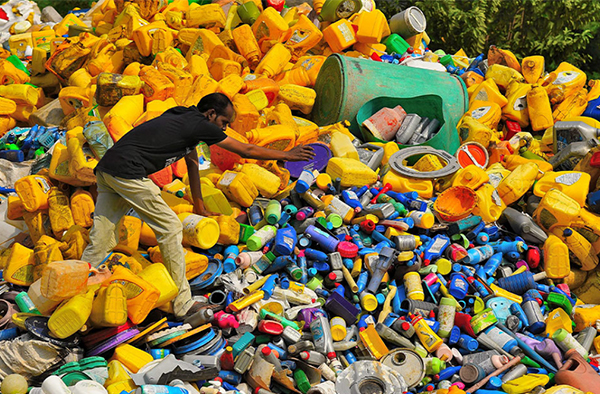
Plastic waste disposal is a major environmental challenge, as plastic materials can take hundreds of years to decompose, leading to pollution in landfills, rivers, oceans, and ecosystems. Effective management of plastic waste involves various strategies aimed at reducing, reusing, and recycling plastics, and ensuring their disposal does not harm the environment.
Here are the primary methods of plastic waste disposal:
1. Recycling
- Mechanical Recycling: This involves collecting, sorting, cleaning, and melting plastic to create new products. Many plastics, like PET (used in bottles) and HDPE (used in containers), can be recycled multiple times.
- Chemical Recycling: This process breaks down plastics into their chemical components, which can then be used to create new plastics or other products. It has the potential to recycle more types of plastics than traditional methods.
- Challenges: Not all plastics are recyclable due to contamination or mixed types of plastic, and the recycling process itself can sometimes require a lot of energy and resources.
2. Incineration (Waste-to-Energy)
- How it works: Plastic waste is burned in controlled facilities to generate heat and electricity. The process reduces the volume of waste significantly and can produce energy.
- Challenges: Incineration can produce harmful emissions, including toxic gases, and it does not eliminate the environmental impact of plastics entirely. It also does not promote long-term sustainable waste management.
3. Landfilling
- How it works: Plastic waste is sent to a landfill, where it is buried in the ground. Plastics can take up significant space in landfills, and their decomposition can take hundreds of years.
- Challenges: Plastics in landfills can contribute to soil and water contamination. Many plastics also leach harmful chemicals into the environment as they break down.
4. Composting (for Biodegradable Plastics)
- How it works: Some biodegradable plastics are designed to break down in composting facilities. These plastics are often made from plant-based materials like cornstarch or sugarcane.
- Challenges: Biodegradable plastics require specific conditions to decompose fully. If they end up in a landfill or the ocean, they might not break down effectively.
5. Plastic Waste Reduction
- Source Reduction: This involves reducing the amount of plastic produced and used in the first place. Governments and companies can promote alternatives to single-use plastics, like reusable bags, containers, and packaging.
- Circular Economy: Aiming for a system where products are designed to be reused, repaired, and recycled, rather than disposed of, to minimize the need for new plastic production.
6. Plastic Waste Management Innovations
- Advanced Sorting Technologies: Systems that use AI, robotics, and sensors to sort plastic waste more efficiently for recycling.
- Plastic-Eating Microbes: Research is being done into microbes and enzymes that can break down plastic waste more quickly than current methods.
7. Ocean Cleanup Initiatives
- Technology: Organizations like The Ocean Cleanup are developing systems to collect and remove plastic waste from the oceans before it breaks down into microplastics.
- Challenges: Removing plastic from oceans is a huge task and often requires the use of ships or floating barriers to collect waste.
8. Public Education and Policy
- Governments, organizations, and individuals play an essential role in reducing plastic waste by:
- Promoting Awareness: Educating the public about the impacts of plastic pollution and how to reduce plastic use.
- Policies and Bans: Many cities and countries are implementing bans or taxes on single-use plastics like straws, bags, and bottles.