
Oil Waste Disposal
- Home
- Oil Waste Disposal
Oil Waste Disposal
Lubricants also need proper management once their service life is over. One must ensure the used lubricants are stored and disposed of safely and in an environmentally friendly way.
Waste Lubricants
Are all waste lubricants, used lubricants? Above all, we need to understand what is waste oil and used oil. As per the Environmental Protection Agency, used oil is an oil that has been refined from any synthetic oil or crude oil that has been used and, as a result of usage gets contaminated by physical or chemical impurities. In simple words, oil that has been drained out of equipment is used oil. Waste oil is an oil that has been contaminated and has become unsuitable for its primary purpose due to the presence of hazardous waste or loss of original properties. Utmost care is to be taken while disposing of used oil and waste oil to avoid any potential risk as oils can cause serious illness to humans if brought into contact. One should always wear gloves and masks to avoid direct contact with the oil.
What is the bio-biodegradability of lubricant?
Biodegradability of lubricant means how fast a lubricant can break itself into carbon dioxide and water by naturally occurring microorganisms. There are few tests to determine the biodegradability of any lubricant. As industries become environment friendly, great efforts are been taken into areas of lubricant management and disposal. Lubricant’s biodegradability is often tested and considered when selecting lubricant for certain environments.
There are guidelines been introduced to prevent leakages and spills of lubricants in bulk storage.
- Automatic control system to shut the power off once the tank is 95% filled.
- Alert the operator once the tank is 85 % full
- Reduce the flow of lubricant before overfilling of tank
The capacity of containment should be higher than the actual requirement for the factor of safety
A major problem that persists in industries is leakage. Apart from the actual task of draining waste lubricant, there is also a risk of oil leakage. If one eradicates the leakage problem it will be the savior for the company in commercial terms and also helps lessen the potential environmental problems. There are many NDT techniques available in the market to find the source of leakage.
Once the oil starts leaking from equipment, the immediate action should be the control the spreading of oil. The areas should be isolated and cleaned for further usage. One should always consult environmental policy or any local government body to decide the appropriate course of action.
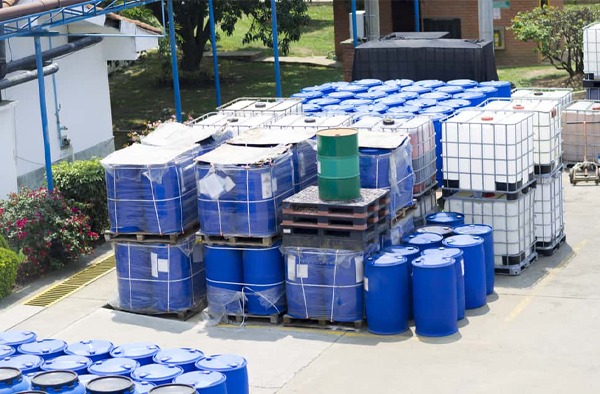
The best practice for disposal of used/waste oil is to keep oil from being introduced to the environment. Waste oil is stored in large volumes in big containers. One can have spill–containment protocol in place. By using spill containment containers or building underground reservoirs, one can ensure leaks are captured and greatly reduce environmental impact.
One can use used oil in many different ways. Used oil can be capitalized in terms of energy. By burning oil, one can harness BTU and use it as fuel for the generation of heat and power generation in a few cases.
The refining of used oil is now a popular practice. The used oils are cleaned from contaminants and re-additive considered as new oil. Many automotive oils in the market are refined oils.
As industries are moving towards the green revolution, there will be added emphasis on refining used oil and environmentally friendly and biodegradable lubricants.