
Green House Gas Survey
- Home
- Green House Gas Survey
Green House Gas Survey
A greenhouse gas survey, often conducted as part of environmental monitoring and assessment efforts, aims to quantify and analyze the emissions of greenhouse gases (GHGs) from various sources within a specific geographical area, such as a city, region, or country. Greenhouse gases, including carbon dioxide (CO2), methane (CH4), nitrous oxide (N2O), and fluorinated gases, trap heat in the Earth’s atmosphere, contributing to global warming and climate change.
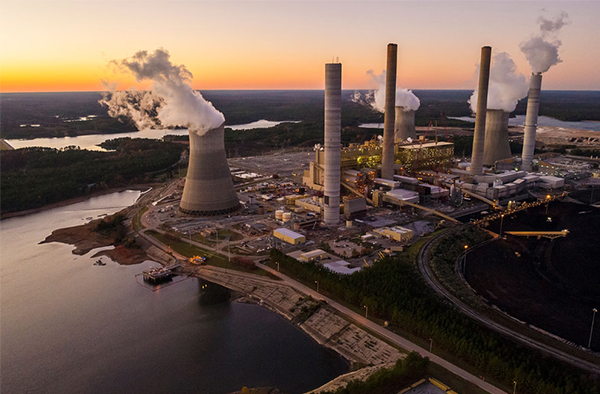
Identification of Sources: The first step in a greenhouse gas survey is to identify and characterize the major sources of GHG emissions within the survey area. These sources may include industrial facilities, power plants, transportation (road vehicles, aviation, shipping), agriculture (livestock, fertilizer use), waste management (landfills, wastewater treatment), and residential or commercial energy use.
Emission Inventory: Once the sources are identified, data on GHG emissions are collected and compiled to create an emission inventory. This involves gathering information on fuel consumption, energy production, industrial processes, agricultural practices, waste generation, and other relevant activities that release GHGs into the atmosphere.
Measurement and Monitoring: Greenhouse gas emissions are measured and monitored using various methods and techniques, including direct measurements, emissions factors, and modeling approaches. Direct measurements involve using instruments such as gas analyzers, flux chambers, and remote sensing technologies to quantify GHG concentrations and fluxes from specific sources or locations.
Data Analysis: The collected data are analyzed to estimate the total emissions of each greenhouse gas from different sectors and sources within the survey area. This involves calculating emission factors, scaling up measurements to represent the entire area, and accounting for uncertainties and variability in emission estimates.
Reporting and Documentation: The results of the greenhouse gas survey are documented in reports, inventories, and databases that provide detailed information on emission sources, trends over time, and spatial distribution of GHG emissions within the survey area. These reports may be used for policy development, regulatory compliance, climate action planning, and public awareness.
Verification and Validation: To ensure the accuracy and reliability of emission estimates, greenhouse gas surveys may undergo verification and validation processes, including peer review, quality assurance/quality control (QA/QC) checks, and comparison with independent data sources or measurements.
Policy Implications: The findings of greenhouse gas surveys inform policymakers, government agencies, businesses, and other stakeholders about the sources and trends of GHG emissions, guiding the development of mitigation strategies, climate action plans, and policies to reduce emissions and address climate change impacts.