
Factory Plan Approval
- Home
- Factory Plan Approval
Factory Plan Approval
Factory plan approval is a process by which a manufacturing facility or industrial plant submits its construction and layout plans to the relevant government or regulatory authorities for review and approval. The purpose of this approval process is to ensure that the factory’s design complies with safety, environmental, and zoning regulations, as well as other applicable laws and standards.
The Factories Act, 1948:
An Indian labor law that prioritizes the safety and well-being of factory workers. It encompasses critical areas:
Applicability:
Applies to factories using power or employing 10 or more workers.
Factory Registration:
Mandates factory owners to obtain a license.
Working Hours:
Sets limits for adult workers and restricts working hours for young workers.
Overtime:
Regulates and provides higher compensation for overtime work.
Welfare and Safety:
Mandates amenities and safety measures in factories.
Health Provisions:
Addresses cleanliness, ventilation, and health standards within the workplace.
Hazardous Processes:
Imposes additional safety requirements for factories engaged in hazardous processes.
Penalties:
Violations result in fines and potential imprisonment.
Occupier and Manager:
Defines the roles and responsibilities of the occupier and manager within the factory.
Documents Required for Factory Plan Approval:
For getting approval of a plan for the construction or extension of a factory, the applicant should apply in
Form No. 1 through the online portal to the concerned DISH.
Documents to be uploaded
Note: All the following documents shall be digitally signed by the occupier:
Form No 1 (downloaded / digitally signed)
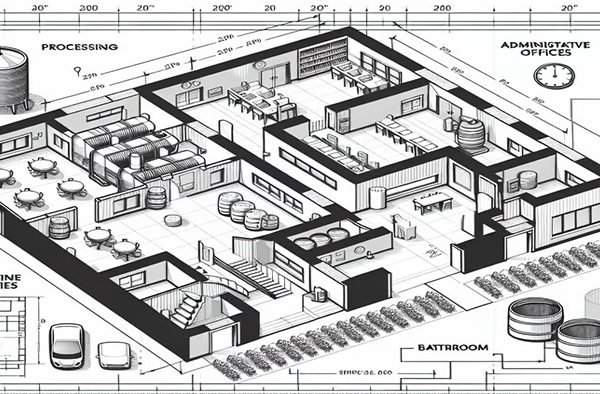
Factory Plan Drawing
The factory plan drawing should be drawn to scale and should show the following details:
The layout of the factory buildings and sheds
The location of all machinery and equipment
The location of all storage areas
The location of all fire safety equipment
The location of all means of access and egress
The factory plan drawing should also indicate the following:
The dimensions of all buildings and sheds
The type of construction used for all buildings and sheds
The type of roofing used for all buildings and sheds
The location of all windows and doors
TOPO Plan (Topographic Plan)
The TOPO plan is a topographic map of the factory site and should show the following details:
Topo Plan, site plan (1:400 scale), Detailed plan (1:100 scale) of buildings along with the machinery installation details
The boundaries of the factory site
The location of all buildings and sheds on the factory site
The location of all roads, drains, and other structures on the factory site
The contours of the factory site
Process Flow chart
Supporting document for the occupation of premises (Copy of Sale deed/Lease deed/Rental deed, etc.)
Proof of Identity of Occupier
Proof of Address of Occupier
Additional Documents:
In addition to the above documents, the inspector of factories may also require other documents, such as:
A copy of the factory’s registration certificate
A copy of the factory’s environmental clearance certificate
A copy of the factory’s fire safety certificate
The drawing needs to be approved by the inspector of factories of that particular jurisdiction after physically inspecting the details in the drawing in compliance with the Factories Act.
General Process for Factory Plan Approval:
1. Submission of Plans:
The factory owner or developer must prepare detailed plans and documents that outline the factory’s layout, design, construction materials, utility connections, safety features, and environmental considerations. These plans may include architectural drawings, electrical and plumbing layouts, and structural engineering details.
2. Regulatory Review:
The submitted plans are reviewed by relevant regulatory authorities, such as environmental agencies, fire departments, and other relevant bodies. Each department assesses the plans to ensure compliance with their specific requirements.
3. Compliance Assessment:
The authorities assess the plans for compliance with building codes, safety standards, environmental regulations, zoning ordinances, and other applicable laws. They may also consider factors such as the impact on nearby communities, environmental sustainability, and public safety.
4. Amendments and Corrections:
If the submitted plans do not meet the regulatory requirements, the factory owner may need to make amendments and corrections to the plans. This process may involve multiple rounds of revisions and resubmissions.
5. Approval or Rejection:
Once the regulatory authorities are satisfied with the plans and compliance, they will issue an approval for the factory construction. If the plans are still non-compliant after multiple revisions, the authorities may reject the application.
Permits and Licenses:
In addition to plan approval, the factory may also need to obtain various permits and licenses, such as building permits, environmental permits, and occupational safety permits, to commence construction and operation.
The inspector of factories will review the plans and may request additional information or changes. Once the inspector of factories is satisfied with the plans, they will sign and stamp them as approved.