Chain Pulley Inspection Certification
- Home
- Chain Pulley Inspection Certification
Chain Pulley Inspection Certification
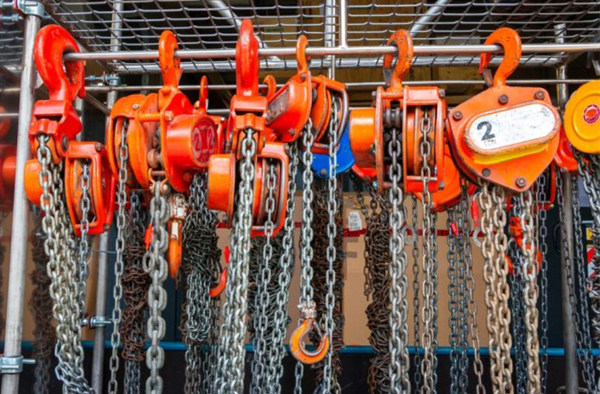
The safe operation of chain pulley blocks depends on routine inspections and maintenance. Check the chain, hooks, and pulleys and closely inspect the chain pulley block for any signs of wear and tear, such as broken chains, hooks, or sheaves, before each use.
Visual Inspection:
Chain: Examine the chain thoroughly for any signs of wear, such as elongation, corrosion, or bent links. Ensure there are no twists or kinks in the chain.
Pulleys: Check the pulleys for any cracks, chips, or wear on the grooves. Ensure that the pulley wheels are not misshapen or bent.
Hooks and Attachments: Inspect the hooks and attachment points for any signs of wear, deformation, or cracks. Ensure that the hooks are securely attached and not distorted.
Functional Inspection:
Load Test: Perform a load test by lifting a light load using the chain pulley. Observe the movement of the chain and pulleys to ensure smooth operation without any jerking or sticking.
Alignment: Check the alignment of the pulley wheels. Misalignment can cause uneven wear on the chain and pulleys, affecting the efficiency of the system.
Braking System: If the chain pulley has a braking mechanism, test it to ensure it engages properly when the load is lifted and releases smoothly when the load is lowered.
Safety Features:
Ensure that all safety features, such as overload protection devices or safety latches on hooks, are functioning correctly.
Check for any warning labels or markings on the chain pulley and verify that they are legible and intact.
Documentation:
Keep a record of the inspection date, findings, and any maintenance or repairs performed. This documentation is essential for tracking the condition of the chain pulley over time and ensuring compliance with safety regulations.
Regular Maintenance:
Implement a regular maintenance schedule for the chain pulley, including lubrication of moving parts and inspection of worn components.
If any issues are identified during the inspection, address them promptly to prevent further damage and ensure the safe operation of the chain pulley.
Chain Pulley Block Inspection Checklist points :
- Company Name :
- Date of Inspection :
- Make :
- Model :
- Number :
- Owned/Hired/Contractor :
| SN | Details |
| 1 | Equipment should be physically in good condition and have valid TPI. |
| 2 | Hook should be in good condition. |
| 3 | Safety latch should be in hook and in working condition. |
| 4 | Chain should be free from defects. |
| 5 | Safe working load should be clearly marked and visible. |
| 6 | Rotating parts should be covered. |
| 7 | Chain pulley block should be free from corrosion and rust free. |
| 8 | Equipment should be tested and inspected by competent person, and have valid inspection certificate as per legal requirements. |
| 9 | Don`t ever try to lift weight above its capacity, and follow lifting procedure while carrying any lifting activity. |
| 10 | Inspect chain pulley block before every use, especially need to check chain of the pully for damage, enlargement of chain blocks, crack in chain blocks, reduced thickness of chain blocks, etc. |
| 11 | Don`t ever try to stretch above its capacity, there are chances of brokage of chain, which may lead to serious accident. |